A leading rhinoplasty and ENT surgery practice operating across three clinics in Rome deployed PersonalDoc to follow its patients from discharge to full recovery. Twelve months in, aftercare had gone from a cost centre to a growth channel.
Clinic name withheld at the practice's requestThe practice performs rhinoplasty, septoplasty and related ENT procedures as day surgery across three locations in Rome, with thousands of interventions behind it.
Every operation was followed by weeks of aftercare: swelling questions, dressing doubts, "is this normal?" photos on the surgeon's personal WhatsApp at 11 pm. The team handled it with dedication — and at a real cost in senior clinical time, while the practice had no structured way to stay present with patients once recovery ended.
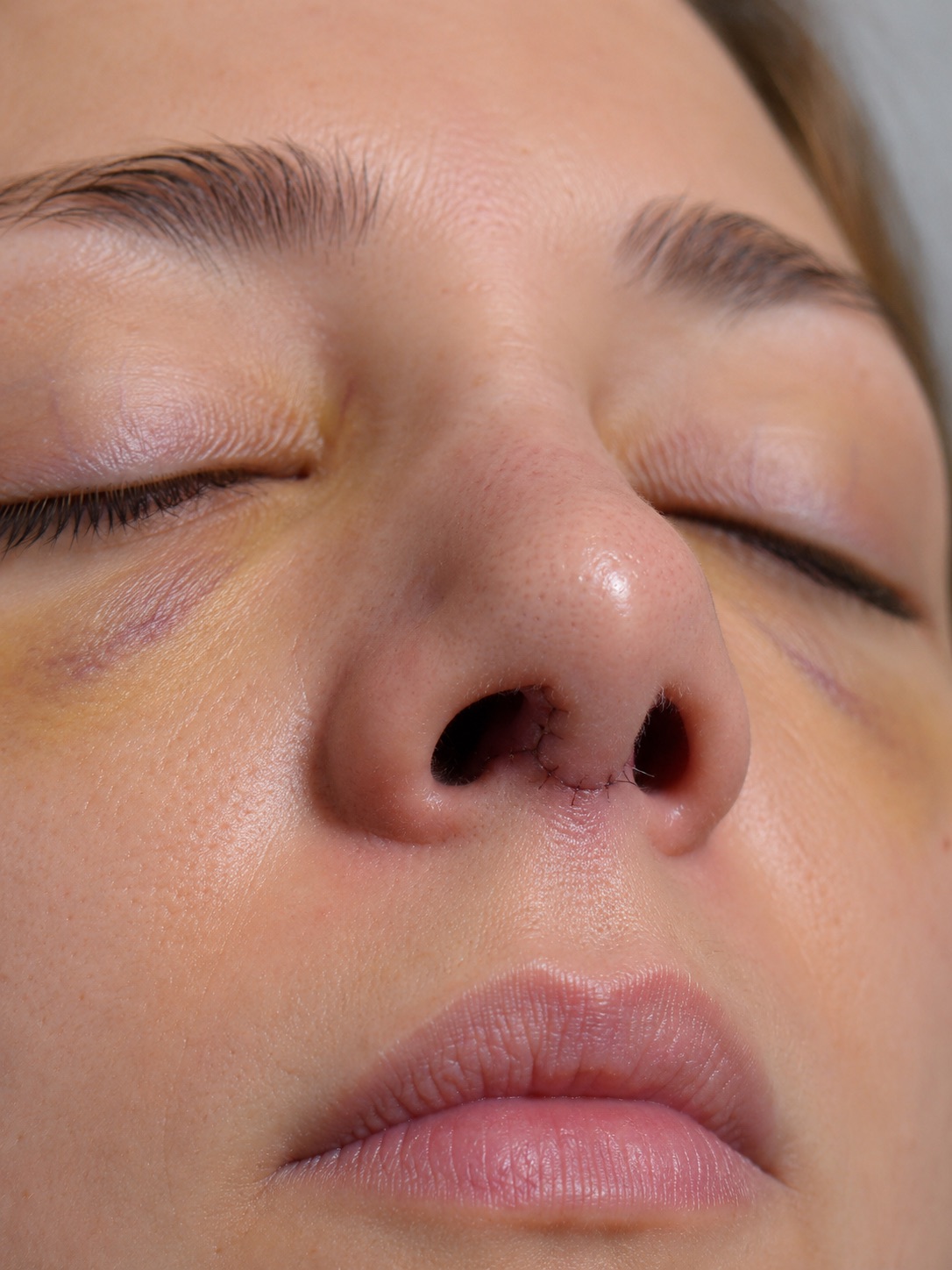
With PersonalDoc, that stream of ad-hoc messages became structured, comparable check-ins like the one on the right — framed the same way every time, quality-checked on capture, and filed to the patient's recovery timeline before a clinician ever has to look at it.
Every post-op review meant a phone call to arrange and a slot in the diary — even when the patient was healing perfectly. A large share of in-person reviews confirmed what a good photo would have shown.
Patients waited for their next appointment to mention concerns, or gave up and turned elsewhere. Small issues that could be handled in a message occasionally became urgent ones.
Many rhinoplasty patients are candidates for complementary functional or aesthetic treatments — but with no ongoing relationship after discharge, there was never a natural moment to raise them.
After recovery, contact stopped. When patients wanted a further treatment months later, nothing tied them to the practice — and roughly 9% churned in a year.
Patients now leave surgery with a one-time invite code. From that moment, PersonalDoc runs the practice's own aftercare protocol — in Italian, English or Spanish, around the clock.
Guided capture with a ghost overlay of the previous photo, automatic quality control, and a schedule aligned to each procedure's healing curve. Surgeons review comparable images, not blurry WhatsApp shots.
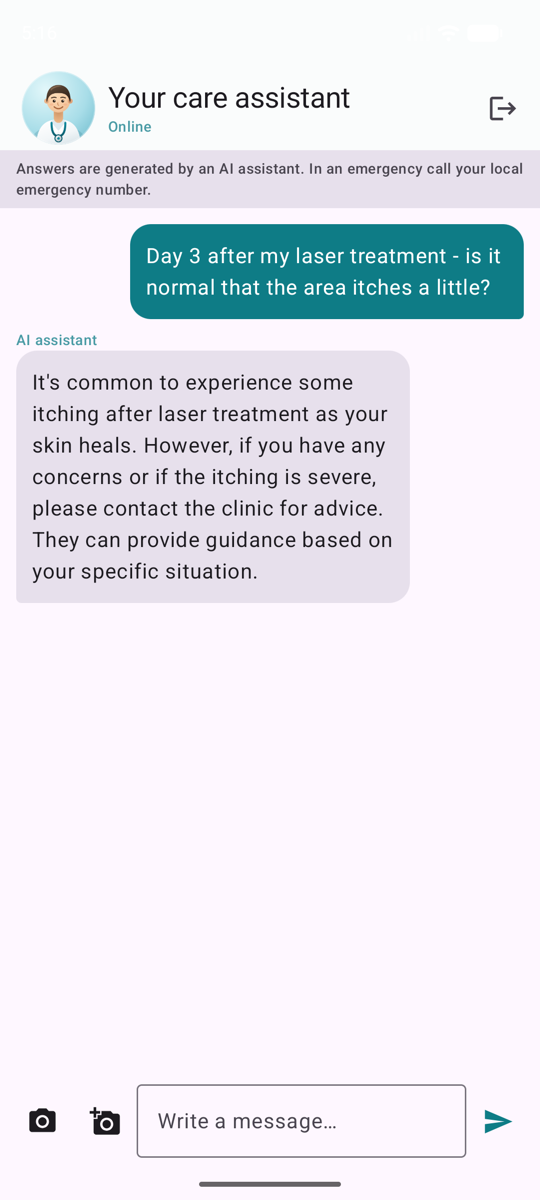
Routine aftercare questions — swelling, sleep position, dressing care — are answered instantly, following the practice's guidelines. Anything concerning escalates to the clinical team immediately.
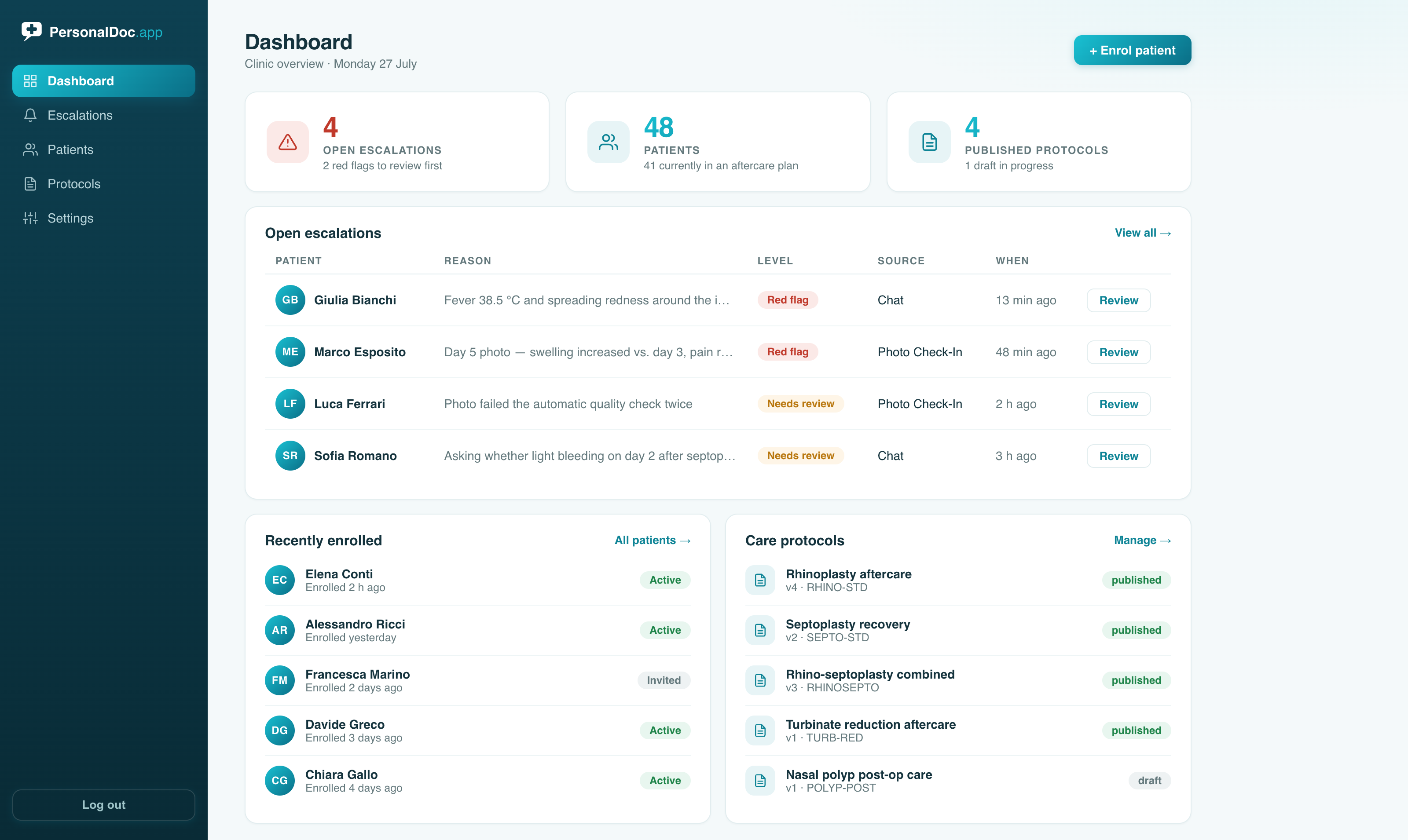
The portal shows a short, ranked list of what needs clinical attention. In-person reviews are reserved for patients who actually need them.
When healing is on track and the moment is right, the assistant can surface the practice's own follow-on options — a functional correction, a complementary treatment — as a suggestion the patient can raise with the surgeon.
With an open channel through recovery and beyond, clinically appropriate follow-on treatments were proposed at the right moment — when trust was at its peak. Bookings of additional interventions by existing patients grew 23% year over year.
Photo check-ins replaced routine in-person reviews for patients healing normally, and the assistant absorbed the phone traffic that used to consume front-desk and nursing time. The cost of following up a patient dropped 45%.
Patients who felt accompanied through recovery came back. Annual churn fell from 9% to 6% — retained patients who now start their next treatment at the practice instead of shopping around.
"We used to lose our patients the day the last suture came out. Now the relationship continues — recovery is monitored properly, my team's phone finally sleeps at night, and patients come back to us for what's next."
See PersonalDoc with your own protocols and a test patient — live, in one call.
Talk to us about a pilot